
Kanchenjunga Circuit Trek
US $590
speaking local trek guide
Guide
Langtang Region Expert Guide
Accommodations
Twin Sharing Mountain Lodges
Foods
Breakfast x8, Lunch x8, Dinner x8
All Permits
Langtang National Park permits & TIMS
All transfers
All needed ground transfers as per the itinerary.
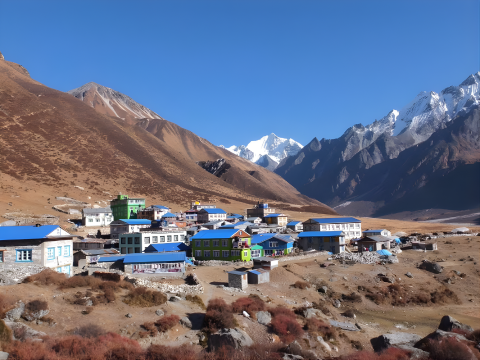
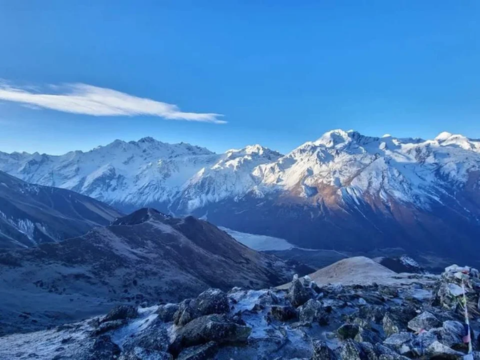
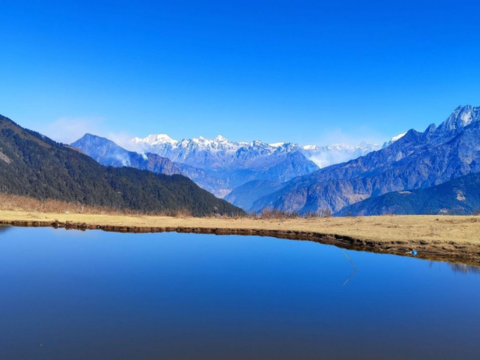
Photos from the Kanchenjunga Circuit Trek
Key Information
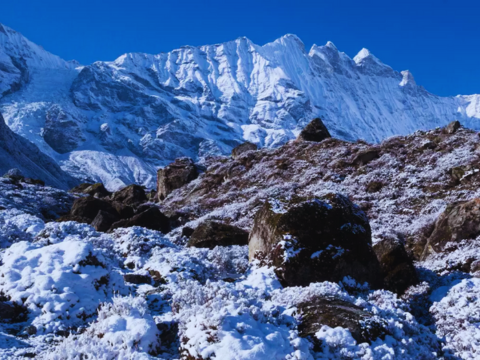
Close-up views of majestic Himalayan giants like Langtang Lirung.
Immerse yourself in the warmth and unique heritage of the Tamang communities nestled along the Langtang trail, experiencing their way of life firsthand.
Trek through rhododendron woodlands (flowering in late April), alpine pastures, and alongside rushing glacial streams, a visual treat at every turn.
Discover the beauty of Nepal on a Langtang trek that balances scenery with manageable difficulty and the convenience of cozy teahouse stays.

ITINERARY
Day 1: Kathmandu → Bhadrapur → TaplejungDay 1: Kathmandu → Bhadrapur → Taplejung
Altitude: 1,442 m / 4,731 ft | Stay: Guesthouse
We start with a short domestic flight from Kathmandu to Bhadrapur (about 45–50 minutes). From there, a scenic jeep ride along the Mechi Highway takes us through rolling tea gardens and the charming town of Kanyam, before reaching Taplejung, the gateway to the Kanchenjunga Circuit.
Day 2: Taplejung → Sekathum
Altitude: 1,660 m / 5,446 ft | Stay: Guesthouse | Meals: Breakfast
After breakfast, we continue by jeep toward Sekathum. Driving past small villages like Mitlung, Chirwa, and Lelep, we follow the Tamor River and enter Kanchenjunga National Park, where permits are checked. This faster route gives us extra trekking time later.
Day 3: Sekathum → Amjilosa
Altitude: 2,490 m / 8,169 ft | Stay: Teahouse | Meals: Breakfast
Our trek begins here! Following the Ghunsa Khola, we cross charming bridges, walk through green valleys, and pass villages like Jonggim and Ghaiyabari. We end the day in Amjilosa, surrounded by serene Himalayan landscapes.
Day 4: Amjilosa → Gyabla (Kyapra)
Altitude: 2,730 m / 8,957 ft | Stay: Teahouse | Meals: Breakfast
The trail winds through dense alpine forests, a habitat for red pandas and other wildlife. As the trees thin, spectacular mountain views open up. Gyabla is a peaceful village perfect for rest and reflection.
Day 5: Gyabla → Ghunsa
Altitude: 3,595 m / 11,795 ft | Stay: Teahouse | Meals: Breakfast
We trek through lush woodlands and arrive in Phale, a Tibetan-influenced village. Following the Ghunsa Khola, we reach Ghunsa, a tranquil village with prayer flags and a chance to acclimatize before higher altitudes.
Day 6: Ghunsa → Khambachen
Altitude: 4,050 m / 13,287 ft | Stay: Teahouse | Meals: Breakfast
The path climbs gradually through pine forests with views of Mt. Jannu. Wildlife sightings may include blue sheep or even a snow leopard. The trek continues to Khambachen, a peaceful village ideal for acclimatization.
Day 7: Acclimatization Day at Khambachen
Altitude: 4,785 m / 15,699 ft | Stay: Teahouse | Meals: Breakfast
Trekking toward the Kanchenjunga Glacier, we pass Ramdang Monastery and enjoy peaceful mountain scenery. Lhonak, a small settlement with basic teahouses, awaits at the end of this challenging but rewarding day.
Day 8: Khambachen → Lhonak
Altitude: 4,785 m / 15,699 ft | Stay: Teahouse | Meals: Breakfast
Trekking toward the Kanchenjunga Glacier, we pass Ramdang Monastery and enjoy peaceful mountain scenery. Lhonak, a small settlement with basic teahouses, awaits at the end of this challenging but rewarding day.
Day 9: Lhonak → Kanchenjunga North Base Camp → Lhonak
Altitude: 5,143 m / 16,873 ft | Stay: Teahouse | Meals: Breakfast
A highlight of the trek! We ascend to Kanchenjunga North Base Camp (Pang Pema), witnessing dramatic glaciers and the world’s third-highest peak. After soaking in the views, we return to Lhonak for the night.
Day 10: Lhonak → Ghunsa
Altitude: 3,595 m / 11,795 ft | Stay: Teahouse | Meals: Breakfast
We retrace our steps down to Ghunsa, enjoying the Himalayas from a fresh perspective. The descent offers beautiful vistas and a sense of accomplishment.
Day 11: Ghunsa → Sele Le
Altitude: 4,290 m / 14,075 ft | Stay: Teahouse | Meals: Breakfast
Taking a quieter route, we trek through remote forests, keeping an eye out for elusive snow leopards. Sele Le offers sparse but welcoming teahouse accommodation
Day 12: Sele Le → Tseram via High Passes
Altitude: 4,645 m / 15,240 ft | Stay: Teahouse | Meals: Breakfast
We cross three high passes—Sinion La, Mirgin La, and Sinelapche Bhanjyang—featuring panoramic views of Kanchenjunga, Everest, Makalu, and surrounding peaks. Descend to Tseram for the night.
Day 13: Tseram → Kanchenjunga South Base Camp (Oktang) → Tseram
Altitude: 2,080 m / 6,824 ft | Stay: Teahouse | Meals: Breakfast
Descending through peaceful rhododendron forests and alongside the Simbuwa Khola, we reach Torongding, enjoying lush scenery and a tranquil night after the high-altitude trek.
Day 14: Tseram → Torongding
Altitude: 2,080 m / 6,824 ft | Stay: Teahouse | Meals: Breakfast
Descending through peaceful rhododendron forests and alongside the Simbuwa Khola, we reach Torongding, enjoying lush scenery and a tranquil night after the high-altitude trek.
Day 15: Torongding → Yamphudin
Altitude: 1,980 m / 6,496 ft | Stay: Teahouse | Meals: Breakfast
We continue down to Yamphudin, passing scenic passes and valleys. Permits are checked here at the Kanchenjunga Conservation Area, marking the end of the high-altitude portion of the trek.
Day 16: Yamphudin → Kanyam
Altitude: 1,800 m / 5,905 ft | Stay: Teahouse | Meals: Breakfast
A scenic 4–5 hour trek through lush forests and along Kabeli Khola brings us to Kanyam, famous for its tea gardens. This is a perfect place to unwind and enjoy the peaceful lowlands.
Day 17: Kanyam → Bhadrapur → Kathmandu
Altitude: 1,350 m / 4,429 ft | Meals: Breakfast
We explore the tea gardens in Kanyam before driving 2–3 hours to Bhadrapur for a short flight back to Kathmandu. Upon arrival, you’ll be transferred to your hotel, concluding a remarkable journey through the Kanchenjunga region.
HOW TO GET THERE ?
Start & End: Kathmandu (Tribhuvan International Airport – KTM)
The Kanchenjunga Circuit Trek begins and ends in Kathmandu, Nepal’s vibrant capital. While the trek takes you deep into the country’s remote northeast, the journey to reach the trail is scenic and enjoyable in itself.
Step 1: Fly to Bhadrapur
From Kathmandu, take a short 50-minute domestic flight to Bhadrapur, the closest airport to the Kanchenjunga region.
Step 2: Drive to Taplejung
From Bhadrapur, enjoy a 7–8 hour drive through lush hills, tea gardens, and farmland to reach Taplejung (1,820 m). You’ll stay overnight here to rest before starting the trek.
Step 3: Begin the Trek from Sekathum
The trek officially kicks off from Sekathum, winding through remote villages, rivers, and high-altitude valleys. Over 16 days, you’ll visit both the North and South Base Camps of Mt. Kanchenjunga (8,586 m), reaching heights of up to 4,785 m (15,698 ft).
Return Journey
After completing the trek, a vehicle will take you from Kanyam back to Bhadrapur (5–6 hours). From there, a short flight returns you to Kathmandu.
Travel Made Easy
Places Nepal handles all flights, transfers, and logistics, ensuring your journey to and from the Kanchenjunga region is smooth, safe, and stress-free.
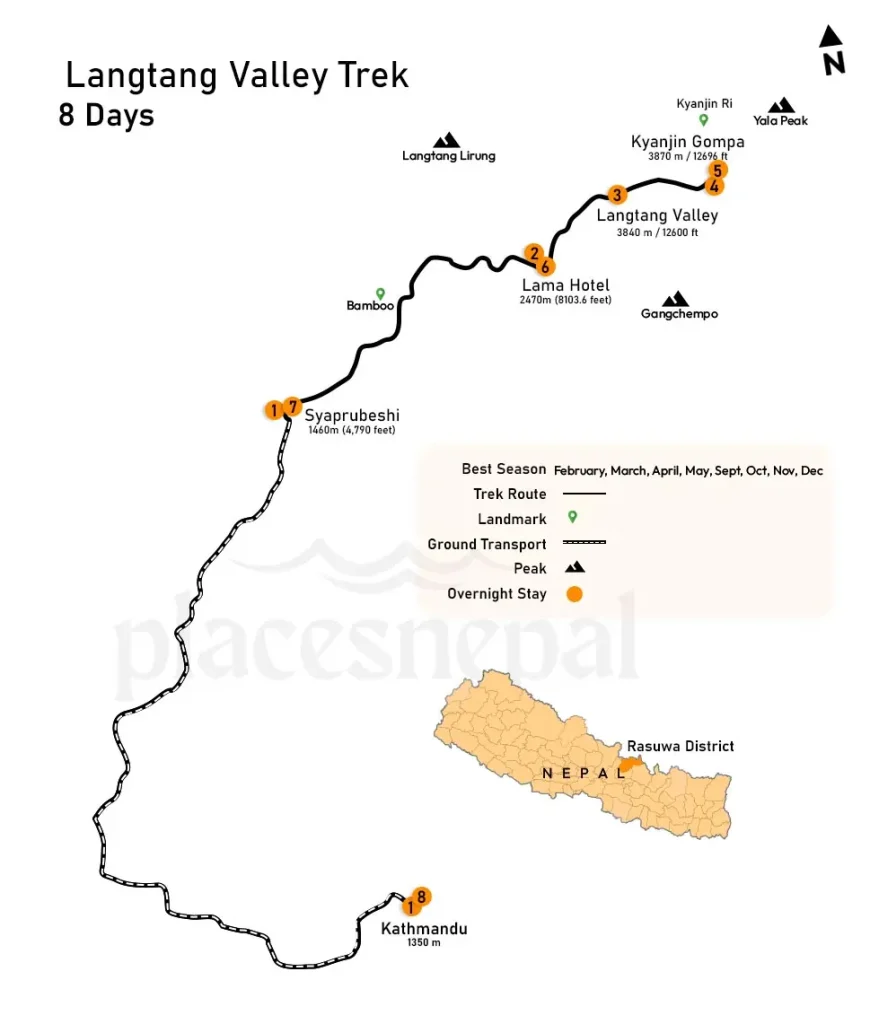
MAPS And ELEVATION
FOOD & ACCOMODATION
Meals on the Trek
Throughout the trek, breakfast is included daily. Lunch and dinner are not provided, giving you the freedom to choose meals that suit your taste, appetite, and dietary needs. High-altitude trekking can affect how much and what you eat, so having options along the way ensures you stay fueled and comfortable.
Teahouses along the route offer a variety of simple, nourishing meals, such as:
- Dal Bhat: Nepal’s classic rice and lentil dish, often with unlimited refills.
- Noodles & Fried Rice: Quick and filling, with eggs or vegetables.
- Tibetan Bread & Pancakes: Popular for breakfast, served with honey, jam, or eggs.
- Soups & Momos: Garlic soup and steamed dumplings are perfect for warming up in the cold.
Vegetarian options are widely available, and most kitchens can accommodate vegan, gluten-free, or other special diets if requested.
Tips for Meals:
- Prices rise as you climb higher, since supplies are carried by porters or mules.
- Bring some cash (around $500–600 USD in Nepali rupees) for meals, snacks, and drinks over the trek.
- Snacks like energy bars, nuts, and chocolate are limited, so pack a few from Kathmandu.
Accommodation on the Trail
The Kanchenjunga Circuit is remote, so lodgings are simple but welcoming. You’ll stay in family-run teahouses or guesthouses, giving you a true taste of mountain life.
What to Expect:
- Rooms: Basic twin-sharing rooms with foam mattresses and blankets. A personal sleeping bag is recommended for extra warmth.
- Bathrooms: Shared toilets (mostly squat style) are standard; hot showers are limited and may cost extra.
- Electricity & Charging: Power is available in some villages but not guaranteed. Charges range from $2–$5 per hour. Bring a power bank or solar charger.
- Wi-Fi: Rare or unavailable—perfect for unplugging and immersing yourself in nature.
Though rustic, these accommodations are clean and run by friendly locals. Sharing meals and stories with them adds a personal and authentic Himalayan touch to your trek.
DIFFICULTY RATING
Meals on the Trek
Throughout the trek, breakfast is included daily. Lunch and dinner are not provided, giving you the freedom to choose meals that suit your taste, appetite, and dietary needs. High-altitude trekking can affect how much and what you eat, so having options along the way ensures you stay fueled and comfortable.
Teahouses along the route offer a variety of simple, nourishing meals, such as:
- Dal Bhat: Nepal’s classic rice and lentil dish, often with unlimited refills.
- Noodles & Fried Rice: Quick and filling, with eggs or vegetables.
- Tibetan Bread & Pancakes: Popular for breakfast, served with honey, jam, or eggs.
- Soups & Momos: Garlic soup and steamed dumplings are perfect for warming up in the cold.
Vegetarian options are widely available, and most kitchens can accommodate vegan, gluten-free, or other special diets if requested.
Tips for Meals:
- Prices rise as you climb higher, since supplies are carried by porters or mules.
- Bring some cash (around $500–600 USD in Nepali rupees) for meals, snacks, and drinks over the trek.
- Snacks like energy bars, nuts, and chocolate are limited, so pack a few from Kathmandu.
Accommodation on the Trail
The Kanchenjunga Circuit is remote, so lodgings are simple but welcoming. You’ll stay in family-run teahouses or guesthouses, giving you a true taste of mountain life.
What to Expect:
- Rooms: Basic twin-sharing rooms with foam mattresses and blankets. A personal sleeping bag is recommended for extra warmth.
- Bathrooms: Shared toilets (mostly squat style) are standard; hot showers are limited and may cost extra.
- Electricity & Charging: Power is available in some villages but not guaranteed. Charges range from $2–$5 per hour. Bring a power bank or solar charger.
- Wi-Fi: Rare or unavailable—perfect for unplugging and immersing yourself in nature.
Though rustic, these accommodations are clean and run by friendly locals. Sharing meals and stories with them adds a personal and authentic Himalayan touch to your trek.
WEATHER
Meals on the Trek
Throughout the trek, breakfast is included daily. Lunch and dinner are not provided, giving you the freedom to choose meals that suit your taste, appetite, and dietary needs. High-altitude trekking can affect how much and what you eat, so having options along the way ensures you stay fueled and comfortable.
Teahouses along the route offer a variety of simple, nourishing meals, such as:
- Dal Bhat: Nepal’s classic rice and lentil dish, often with unlimited refills.
- Noodles & Fried Rice: Quick and filling, with eggs or vegetables.
- Tibetan Bread & Pancakes: Popular for breakfast, served with honey, jam, or eggs.
- Soups & Momos: Garlic soup and steamed dumplings are perfect for warming up in the cold.
Vegetarian options are widely available, and most kitchens can accommodate vegan, gluten-free, or other special diets if requested.
Tips for Meals:
- Prices rise as you climb higher, since supplies are carried by porters or mules.
- Bring some cash (around $500–600 USD in Nepali rupees) for meals, snacks, and drinks over the trek.
- Snacks like energy bars, nuts, and chocolate are limited, so pack a few from Kathmandu.
Accommodation on the Trail
The Kanchenjunga Circuit is remote, so lodgings are simple but welcoming. You’ll stay in family-run teahouses or guesthouses, giving you a true taste of mountain life.
What to Expect:
- Rooms: Basic twin-sharing rooms with foam mattresses and blankets. A personal sleeping bag is recommended for extra warmth.
- Bathrooms: Shared toilets (mostly squat style) are standard; hot showers are limited and may cost extra.
- Electricity & Charging: Power is available in some villages but not guaranteed. Charges range from $2–$5 per hour. Bring a power bank or solar charger.
- Wi-Fi: Rare or unavailable—perfect for unplugging and immersing yourself in nature.
Though rustic, these accommodations are clean and run by friendly locals. Sharing meals and stories with them adds a personal and authentic Himalayan touch to your trek.
WHAT'S INCLUDED
- Private airport transfers for both international and domestic flights
- All trekking permits and entry fees required for the Kanchenjunga Circuit
- Accommodation throughout the trek
- Daily breakfast during the trek
- Experienced, English-speaking trekking guide (licensed and trained in first aid)
- Porter service (1 porter for every 2 trekkers)
- Full support for trekking staff (salary, food, insurance, and equipment)
- Shared jeep/bus transfers for key road sections (Bhadrapur → Ilam / Taplejung → Sekathum → Yamphudin → Kanyam → Bhadrapur airport)
- Domestic flights: Kathmandu → Bhadrapur and return
- First aid kit with essential medicines
- Trekking essentials: T-shirt, trekking map, duffel bag
- Farewell dinner at a local restaurant
- All official charges, local taxes, and VAT
NOT INCLUDED
- International flights and Nepal entry visa
- Travel or health insurance covering emergencies, rescues, or evacuations
- Personal expenses or shopping
- Hotel stays in Kathmandu before or after the trek
- Lunch and dinner during the trek
- Tips for the guide and porter (optional but appreciated)
HOW TO GET FIT ?
The Kanchenjunga Circuit is a demanding trek: expect 5–8 hours of walking each day over 14+ days, with steep climbs, rocky trails, and high-altitude sections above 4,000 meters. Being physically prepared will make your journey safer, more comfortable, and far more enjoyable.
Pre-Trek Fitness Plan (Start 8+ Weeks Ahead)
- Build Stamina
Boost your endurance with regular cardio:
- Hike with a light backpack, gradually increasing distance and weight
- Brisk walking or jogging
- Cycling or stair climbing
Aim for 30–60 minutes, 4–5 times per week.
- Strengthen Legs & Core
Strong legs and a stable core keep you steady on uneven trails:
- Squats, lunges, step-ups (add light weights as you progress)
- Planks and other core exercises
Train 2–3 times weekly.
- Practice with a Backpack
Hike with a 5–8 kg (10–18 lbs) daypack once a week to get your body used to carrying weight. This strengthens your back, shoulders, and knees. - Flexibility & Recovery
Stretch daily or try yoga to reduce stiffness. Include rest days to recharge and prevent injury.
Preparing for High Altitude
You can’t fully “train” for altitude, but you can help your body adjust:
- Improve lung capacity through cardio
- Learn to pace yourself and drink plenty of water
- Talk to your doctor about altitude sickness precautions
Mental Readiness
Kanchenjunga is remote, and the trek can be as much a mental challenge as a physical one:
- Practice long walks in varied weather
- Push gently through tiredness during training
- Try mindfulness or breathing exercises to stay calm and focused
Tips for Success
- Start training early—don’t wait until the last minute
- If you’re over 40 or have health concerns, consult a doctor before starting
The fitter and more prepared you are, the more you’ll enjoy the adventure
TREKKING GEAR
Preparing well is key for the Kanchenjunga Circuit. You’ll face rugged trails, variable weather, and remote areas, so packing smart makes all the difference.
Luggage & Porters
- Duffel Bag (60–80 L): One per trekker, carried by porters. Keep it under 20 kg.
- Daypack (~40 L): For snacks, camera, water, jacket, and personal essentials. Keep it under 5 kg.
- Waterproof Cover: Protects your gear from rain or snow.
- Label Bags: Name tags make it easy to identify your luggage at lodges.
Packing Tips:
- Layer your clothing for temperatures from ~25°C in the lowlands to -15°C at high camps.
- Avoid cotton—choose moisture-wicking fabrics like synthetics or merino wool.
- Break in your boots before the trek to prevent blisters.
- Use dry sacks to separate clean and dirty clothes or electronics.
- Hydrate well and take time to acclimatize—altitude can affect your body quickly.
Rental Options:
Places Nepal can arrange sleeping bags, down jackets, gaiters, trekking poles, and crampons if you prefer not to carry them from Kathmandu.
Clothing Essentials
- Base Layers: Moisture-wicking thermals (top & bottom)
- Mid Layers: Fleece or synthetic jacket, soft-shell pants
- Outer Layers: Waterproof and windproof shell jacket and trousers
- Cold Weather Gear: Lightweight down jacket, heavy fleece/puffy jacket for high-altitude nights
- Trekking Clothes: 2 trekking trousers (zip-offs ideal), 2 quick-dry t-shirts, moisture-wicking underwear, sports bra (women)
- Accessories: Sun hat, warm beanie, buff/scarf, thermal sleepwear
Footwear & Handwear
- Trekking Boots: Waterproof, ankle support, well broken-in
- Camp Shoes/Sandals: Comfortable for lodges
- Trekking Socks: Wool or synthetic, 3–4 pairs; optional liner socks to prevent blisters
- Gloves: Fleece liners + insulated waterproof gloves
- Gaiters: Keep snow or dirt out of boots
- Traction: Crampons or microspikes if needed
- Helmet: Optional for steep or rocky sections
Toiletries & Hygiene
- Biodegradable soap & shampoo
- Toothbrush & toothpaste
- Quick-dry towel
- Toilet paper, hand sanitizer, wet wipes
- Lip balm & high-SPF sunscreen
- Feminine hygiene products
- Nail clipper, mirror, earplugs
Medical & First Aid
Bring personal items even if a group kit is available:
- Prescription meds & Diamox (with doctor’s approval)
- Pain relief (ibuprofen/paracetamol)
- Blister plasters, Compeed, zinc oxide tape
- Rehydration salts, anti-diarrheal meds, throat lozenges
- Bandaids, antiseptic wipes
Miscellaneous Essentials
- Sunglasses (Category 4, side shields)
- Power bank (10,000 mAh+) & charging cables
- Snacks: energy bars, nuts, dried fruit
- Camera, extra batteries, memory cards
- Notepad, pen, book or cards for downtime
- Lightweight lock for bags
- Duct tape/repair kit
- Passport copy & travel insurance
- Cash (small denominations, as ATMs are scarce)
Tips:
- Pack light, prioritize comfort, and layer for changing temperatures.
- Organize gear so essential items are easy to reach.
- Always respect the remote environment and leave no trace.
With the right gear, you’ll be ready to enjoy the rugged beauty and remote charm of Kanchenjunga safely and comfortably.
REVIEWS
TRIP OVERVIEW
The Kanchenjunga Circuit Trek is a true Himalayan adventure, taking you deep into eastern Nepal to both the North and South Base Camps of Mt. Kanchenjunga (8,586m)—the world’s third-highest peak. This route is remote, rugged, and best suited for trekkers who have some experience at high altitudes.
Unlike the more popular trails around Annapurna or Manaslu, Kanchenjunga offers solitude, untouched landscapes, and a raw, adventurous experience. Expect pristine forests, isolated villages, glacial valleys, and dramatic mountain vistas that few travelers ever see.
The region is also home to a cluster of mighty peaks: Yalung Kang (8,505m), Kambachen (7,903m), Jannu (7,710m), Jongsong (7,483m), Kabru (7,353m), Tent Peak (7,365m), and The Twins (7,350m), along with several glaciers feeding rivers into both Nepal and Sikkim.
What Makes This Trek Special
Picture waking up to the sun hitting the snowy flanks of the Yalung Glacier, surrounded by remote wilderness. The area feels almost untouched, steeped in legend—locals still tell stories of the elusive Yeti roaming the high mountains.
During the trek, you’ll encounter breathtaking views of peaks like Mt. Jannu, Tent Peak, and Kambachen, and on clear days, even glimpses of Everest, Makalu, and Lhotse. Beyond the scenery, the trek immerses you in a rich cultural landscape, passing through villages with ancient traditions and warm, welcoming locals.
A Day on the Trail
This trek uses a teahouse-based system, with cozy mountain lodges offering basic twin rooms and shared facilities. Lodging quality varies with altitude—the higher you go, the simpler it becomes.
- Morning: Start early with a hearty breakfast—porridge, eggs, toast, or rice pudding. Porters will be readying gear for the day.
- Trekking: Depart around 7–8 AM at a steady pace. Pause for photos, enjoy the scenery, and explore local villages.
- Lunch: Stop at a teahouse for dal bhat, momos, fried rice, or pasta, accompanied by hot drinks.
- Afternoon: Continue trekking until 3 PM, then settle into your lodge for tea and snacks.
- Evening: Dinner usually includes soup and a main course like dal bhat or momos. Afterward, relax, read, or prepare for the next day with a short briefing.
Best Time to Trek
- Spring (March–May): Mild weather with blooming rhododendrons and colorful wildflowers.
- Autumn (October–November): Clear skies, stable conditions, and excellent visibility—ideal for photography and long mountain views.
Avoid:
- Monsoon (June–September): Slippery trails, heavy rain, and landslide risk.
- Winter (December–February): Extremely cold, with snow-covered passes, recommended only for experienced high-altitude trekkers.
Difficulty Level
This trek is challenging. You’ll reach altitudes up to 5,143m and navigate rugged trails, long ascents, and high passes. It’s remote, physically demanding, and requires good stamina and previous trekking experience.
Key Challenges:
- Long days on steep, rocky trails
- Remote and off-the-grid terrain with basic facilities
- Altitude changes with risk of Acute Mountain Sickness (AMS)
- Unpredictable weather and cold conditions
For adventurous trekkers seeking solitude, breathtaking scenery, and a truly authentic Himalayan experience, the Kanchenjunga Circuit Trek is one of Nepal’s most rewarding journeys.
October 2025
NOVEMBER 2025
DECEMBER 2025
Know Before Booking
Langtang Valley Trek
What to eat on the langtang trek ?
On the Langtang Valley Trek, eat hearty meals like dal bhat, momos, fried rice, soups, and Tibetan bread, with vegetarian and vegan-friendly options widely available at local teahouses.Foods on the Langtang Valley Trek are fresh, home-cooked at teahouses.
What to Expect in a Teahouse on the Langtang Trek
On the Langtang Valley Trek, eat hearty meals like dal bhat, momos, fried rice, soups, and Tibetan bread, with vegetarian and vegan-friendly options widely available at local teahouses.Foods on the Langtang Valley Trek are fresh, home-cooked at teahouses.
Best Time to Trek Langtang Valley
On the Langtang Valley Trek, eat hearty meals like dal bhat, momos, fried rice, soups, and Tibetan bread, with vegetarian and vegan-friendly options widely available at local teahouses.Foods on the Langtang Valley Trek are fresh, home-cooked at teahouses.
Typical Day on the Langtang Trek
On the Langtang Valley Trek, eat hearty meals like dal bhat, momos, fried rice, soups, and Tibetan bread, with vegetarian and vegan-friendly options widely available at local teahouses.Foods on the Langtang Valley Trek are fresh, home-cooked at teahouses.
Environmental Responsibility on the Langtang Trek
On the Langtang Valley Trek, eat hearty meals like dal bhat, momos, fried rice, soups, and Tibetan bread, with vegetarian and vegan-friendly options widely available at local teahouses.Foods on the Langtang Valley Trek are fresh, home-cooked at teahouses.
Langtang Trek Costs: Daily Expenses, Budget, and Currency
On the Langtang Valley Trek, eat hearty meals like dal bhat, momos, fried rice, soups, and Tibetan bread, with vegetarian and vegan-friendly options widely available at local teahouses.Foods on the Langtang Valley Trek are fresh, home-cooked at teahouses.

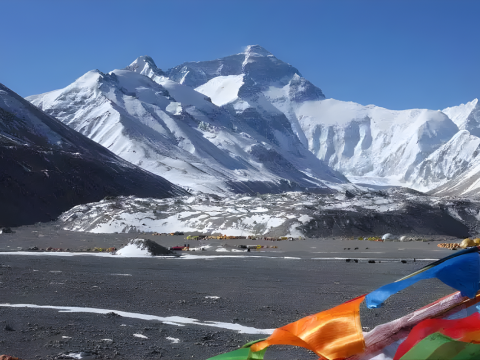
Everest Base Camp Trek
14 days
from $1700 $1550
ANNAPURNA CIRCUIT TREK
10 days
from $990 $790
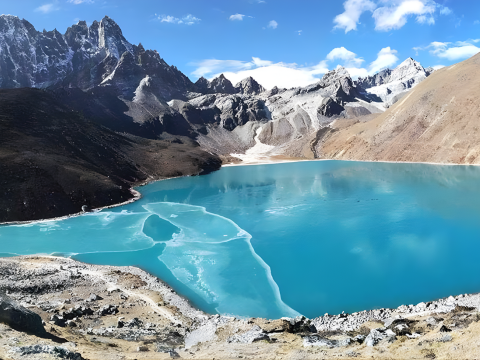
GOKYO LAKE TREK
10 days
from $1230 $1050
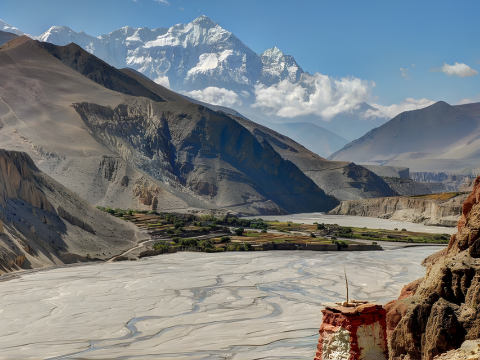
UPPER MUSTANG TREK
10 days
from $1230 $1050
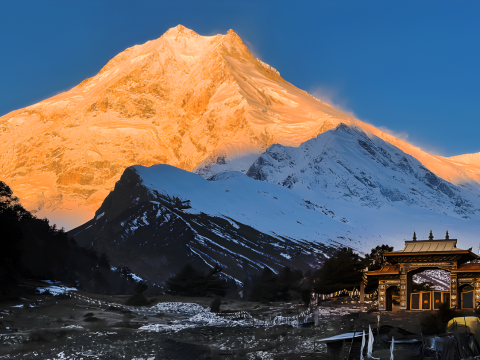
MANASLU CIRCUIT TREK
12 days
from $1250 $980

MARDI HIMAL BASE CAMP TREK
8 days
from $850 $690
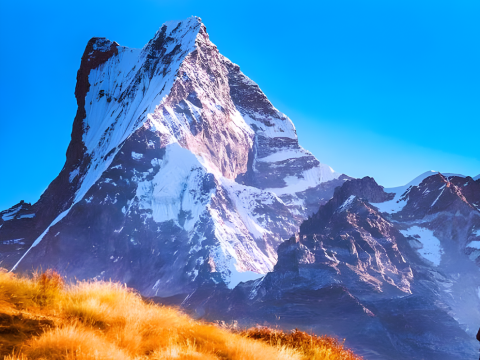
GHOREPANI POON HILL TREK
5 days
from $650 $520
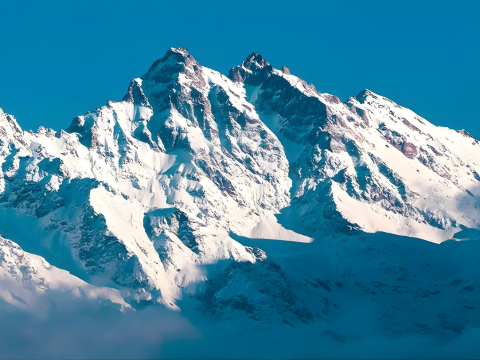
MERA PEAK CLIMBING
18 days
from $2250 $1990