
Manaslu Circuit Trek
US $590
speaking local trek guide
Guide
Langtang Region Expert Guide
Accommodations
Twin Sharing Mountain Lodges
Foods
Breakfast x8, Lunch x8, Dinner x8
All Permits
Langtang National Park permits & TIMS
All transfers
All needed ground transfers as per the itinerary.
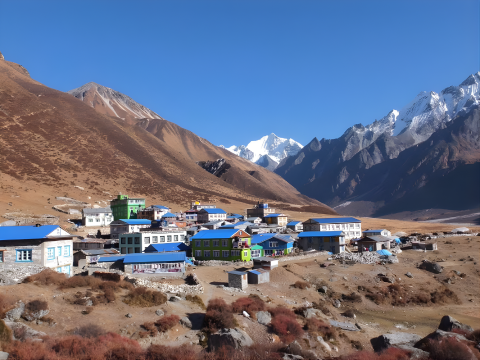
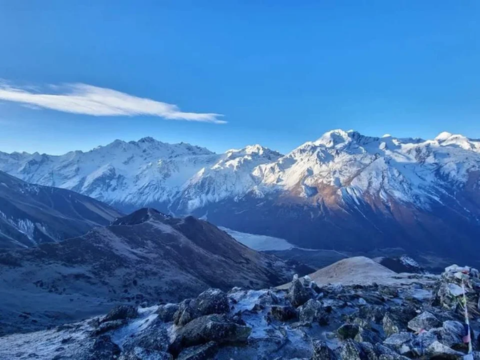
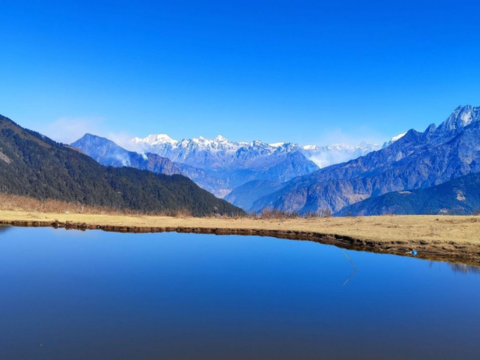
Photos from the Manaslu Trek
Key Information
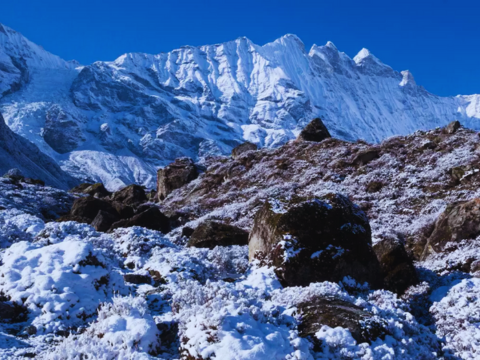
Close-up views of majestic Himalayan giants like Langtang Lirung.
Immerse yourself in the warmth and unique heritage of the Tamang communities nestled along the Langtang trail, experiencing their way of life firsthand.
Trek through rhododendron woodlands (flowering in late April), alpine pastures, and alongside rushing glacial streams, a visual treat at every turn.
Discover the beauty of Nepal on a Langtang trek that balances scenery with manageable difficulty and the convenience of cozy teahouse stays.

ITINERARY
Day 1: Kathmandu to Machha Khola
We kick off early with a scenic drive from Kathmandu toward Machha Khola. The journey winds past rivers, terraced hills, and quiet villages. After Arughat, the road gets rough—but the views make up for it. By evening, we settle into a cozy teahouse in Machha Khola beside the Budhi Gandaki River.
🕒 Drive: ~9 hours
🍽 Meals: Lunch & Dinner
🏡 Stay: Teahouse
Day 2: Machha Khola to Jagat
Today’s walk follows the river through forests alive with monkeys and birds. We pass small Gurung villages, cross suspension bridges, and enjoy a warm stop at natural hot springs in Tatopani. The trail ends at Jagat, a stone-paved village and official checkpoint of the Manaslu region.
🕒 Walk: 6–7 hours
🍽 Meals: All meals
🏡 Stay: Teahouse
Day 3: Jagat to Deng
The trail takes us through Buddhist villages decorated with prayer flags and mani walls. We pass waterfalls, cliffs, and deep river gorges. After crossing the Siyar Khola, we continue through quiet settlements before reaching the peaceful village of Deng for the night.
🕒 Walk: ~5 hours
🍽 Meals: All meals
🏡 Stay: Teahouse
Day 4: Deng to Namrung
We climb steadily through bamboo forests and narrow valleys, crossing bridges and passing landslide sections with care. Tibetan culture becomes more visible along the trail. By afternoon, we reach Namrung—a beautiful village with mountain views and better facilities.
🕒 Walk: 5–6 hours
🍽 Meals: All meals
🏡 Stay: Teahouse
Day 5:Namrung to Shyala
Today rewards us with our first full views of Mt. Manaslu. We walk through Lho village, visit a monastery, and continue into a wide glacial valley surrounded by towering Himalayan peaks. Shyala feels open, peaceful, and dramatic.
🕒 Walk: ~5 hours
🍽 Meals: All meals
🏡 Stay: Teahouse
Day 6: Shyala to Sama Gaon (via Pungyen Gompa)
A gentle and scenic hike brings us closer to Manaslu. We can take a side trip to the remote Pungyen Monastery, tucked beneath glaciers. By afternoon, we arrive at Sama Gaon—the largest village in the region and our base for acclimatization.
🕒 Walk: ~5 hours
🍽 Meals: All meals
🏡 Stay: Teahouse
Day 7: Acclimatization Day at Sama Gaon
A rest day to help our bodies adjust. You can hike up to Manaslu Base Camp for stunning glacier views or enjoy an easy walk to Birendra Lake. The rest of the day is for relaxing, exploring the village, and soaking in mountain life.
🕒 Optional hikes
🍽 Meals: All meals
🏡 Stay: Teahouse
Day 8: Sama Gaon to Samdo
A short but important walk as we move higher. The trail passes yak pastures and wide open valleys near the Tibetan border. Samdo is quiet, remote, and rich in culture—perfect for a slow afternoon and optional viewpoint hikes.
🕒 Walk: 2–3 hours
🍽 Meals: All meals
🏡 Stay: Teahouse
Day 9: Samdo to Dharamsala (Larkya Phedi)
We head toward the base of the Larkya La Pass. The landscape becomes rocky and alpine. Though the walk is short, the altitude makes it challenging. After arrival, rest well or take a short acclimatization hike.
🕒 Walk: ~3 hours
🍽 Meals: All meals
🏡 Stay: Basic lodge
Day 10: Larkya La Pass to Bhimthang
An early start for the toughest and most rewarding day. We climb to Larkya La Pass, surrounded by prayer flags and epic mountain views. After celebrating at the top, we descend carefully into the greener valley of Bhimthang.
🕒 Walk: ~10 hours
🍽 Meals: All meals
🏡 Stay: Teahouse
Day 11: Bhimthang to Dharapani
We descend through forests, meadows, and farmland as the air gets warmer. Passing small villages and river valleys, we finally reach Dharapani—where the Manaslu trail meets the Annapurna region.
🕒 Walk: ~7 hours
🍽 Meals: All meals
🏡 Stay: Teahouse
Day 12: Drive Back to Kathmandu
After breakfast, we drive from Dharapani to Besisahar and continue on to Kathmandu. Back in the city, enjoy a hot shower, good food, and a well-earned celebration of your Himalayan adventure.
🕒 Drive: Full day
🍽 Meals: Breakfast, Lunch & Dinner
Optional: Continue to Pokhara instead of Kathmandu for lakes, mountains, and relaxation.
HOW TO GET THERE ?
Trip Start: Kathmandu Airport (KTM) – arrive anytime
Trip End: Kathmandu Airport (KTM) – return after the trek
Visa on Arrival
Getting a Nepal visa is easy. You can apply right at Kathmandu airport.
Visa fees: USD 30 (15 days), USD 50 (30 days), USD 125 (90 days) — all multiple entry.
Bring cash (USD is best). To save time, you can fill out the online form up to 15 days before arrival. Airport immigration and baggage usually take around 1–1.5 hours.
Airport Pick-Up
As soon as you exit the airport, our trekking team will be there holding a sign with your name. We’ll greet you and take you straight to your hotel so you can relax after the flight.
Note: Kathmandu hotel is not included in the trek price, but we’re happy to help book one if you need.
Getting to the Manaslu Trail
The Manaslu Circuit officially starts at Machha Khola. From Kathmandu, we travel by local bus to the trailhead. The drive takes about 8–9 hours, passing rivers, hills, and rural villages before the trek begins.
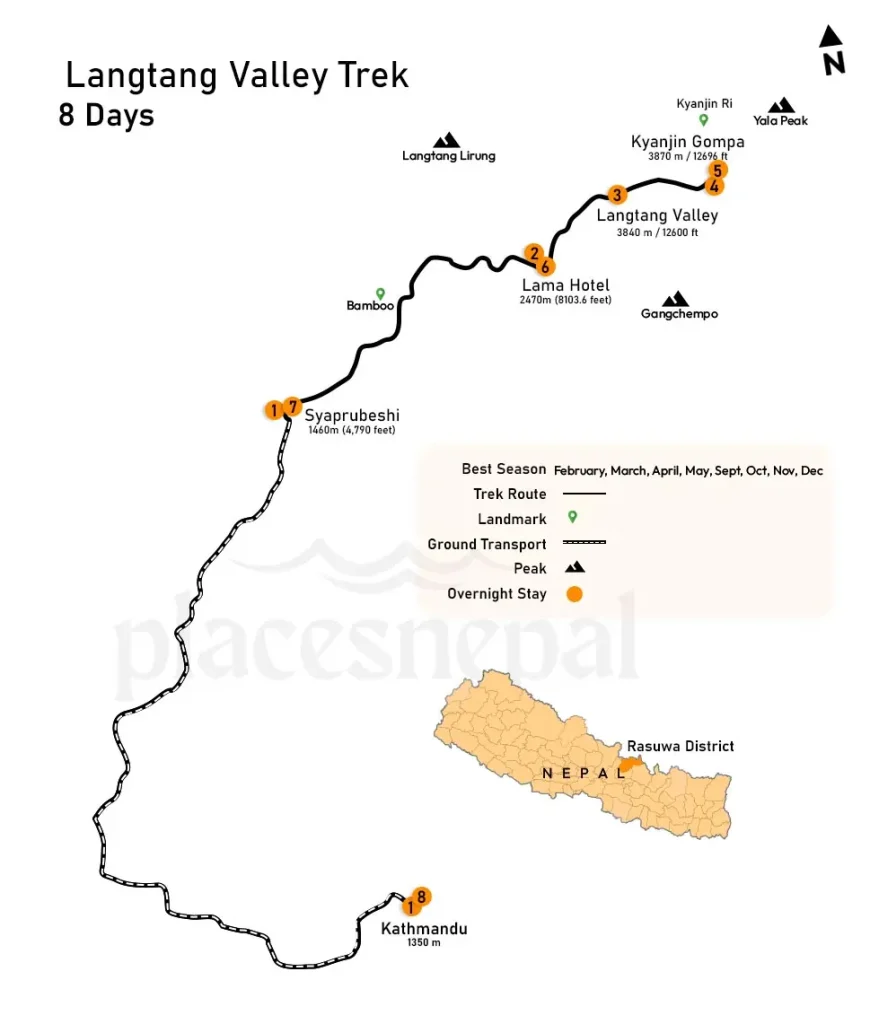
MAPS And ELEVATION
FOOD & ACCOMODATION
Each night, you’ll stay in local teahouses or simple mountain lodges, run by welcoming village families. Rooms are basic but cozy, usually with twin beds and shared bathrooms. As you go higher, places become more rustic. Hot showers, Wi-Fi, and charging are available in some stops, usually for a small extra fee.
Where You’ll Stay (Day by Day)
- Day 1: Machha Khola – Teahouse
- Day 2: Jagat – Teahouse
- Day 3: Deng – Teahouse
- Day 4: Namrung – Teahouse
- Day 5: Shyala – Teahouse
- Days 6–7: Samagaun – Mountain Lodge
- Day 8: Samdo – Teahouse
- Day 9: Dharamsala – Teahouse
- Day 10: Bhimthang – Teahouse
- Day 11: Dharapani – Teahouse
- Day 12: Meals included (no overnight stay)
Meals on the Trail
You’ll enjoy three fresh meals daily—breakfast, lunch, and dinner—served at the teahouses where you stay. The classic favorite is Dal Bhat (rice, lentils, veggies), along with noodles, soups, potatoes, momos, and simple local dishes. Food choices become fewer as altitude rises, and prices slowly increase.
Drinking Water
Bottled water is available along the route, but bringing water purification tablets or a filter is the safest and most eco-friendly option.
DIFFICULTY RATING
The Manaslu Circuit Trek is challenging, but absolutely doable with the right mindset and preparation.
You’ll be trekking in remote Himalayan terrain, climbing to high altitudes (over 5,000 m), and walking 6–8 hours most days. No technical climbing skills are needed—just good fitness, patience, and determination.
Who Is It For?
This trek suits people with moderate fitness and strong motivation. Even first-time trekkers can manage it if they prepare in advance with regular walking, cardio, and leg-strength exercises. The long climbs—especially over Larkya La Pass—and simple teahouse living require flexibility and a positive attitude.
Acclimatization & Safety
The itinerary includes a proper acclimatization day in Samagaun, giving your body time to adjust to the altitude. This greatly lowers the risk of altitude sickness while letting you explore the area at a relaxed pace.
What Makes It Tough?
- High altitude and thin air
- Long trekking days
- Remote trails with fewer lodges
- Weather-sensitive sections near the high pass
Can You Do It?
Yes—with good preparation, the right gear, and experienced local guides, most trekkers complete the Manaslu Circuit safely and enjoy every step of this wild Himalayan adventure.
WEATHER
Best Seasons for the Manaslu Circuit
The best time to trek Manaslu is spring (March–May) and autumn (September–November). These months bring clearer skies, safer trails, and amazing mountain views. With the right gear and an experienced guide, the trek is possible in other seasons—but conditions can be tougher.
Spring (March–May)
Spring is colorful and lively. Rhododendron forests bloom, days are warmer, and visibility is great. Trails are quieter, daylight is longer, and walking feels more comfortable—making this a good choice for first-time Manaslu trekkers.
Autumn (September–November)
Autumn offers the clearest mountain views and the most stable weather. The air is crisp, trails are dry, and crossing Larkya La Pass is usually safer. This is the top season for photographers and experienced trekkers.
Seasons to Skip
- Monsoon (June–August): Heavy rain, slippery trails, landslides, and poor visibility
- Winter (December–February): Extreme cold, deep snow, blocked passes, and higher risk at altitude
Winter trekking is only for well-equipped, experienced trekkers with expert guides and flexible plans.
Mountain Weather Reality
Weather in the Manaslu region can change fast—sun, wind, snow, or rain can appear suddenly, especially at higher altitudes like Samagaun. That’s why layered clothing, flexible schedules, and skilled local guides are key to staying safe and enjoying the trek.
WHAT'S INCLUDED
Your 12-day Manaslu Circuit Trek package covers all the essentials so you can focus on the adventure:
- Airport pick-up and drop-off
- Local bus ride from Kathmandu to Machha Khola
- All meals during the trek (breakfast, lunch, dinner)
- Experienced, licensed trekking guide (all costs covered)
- Teahouse accommodation throughout the trek
- All required permits (Manaslu Restricted Area, MCAP, ACAP, Chumnubri entry)
- First-aid kit and pulse oximeter for safety
- Trekking poles (on request)
- Trekking cap, duffel bag, and t-shirt
- Shared jeep from Dharapani to Besisahar
- Bus ride from Besisahar to Kathmandu or Pokhara
- Farewell dinner after the trek
- Trek completion certificate
NOT INCLUDED
- International flights
- Nepal visa fee
- Travel and rescue insurance
- Hotels and meals in Kathmandu
- Drinks (water, tea, coffee, alcohol, soft drinks)
- Extra snacks or meals outside the set menu
- Porter service (available at extra cost)
- Personal trekking gear and clothing
- Tips for guides and porters
- Anything not clearly listed above
HOW TO GET FIT ?
The Manaslu Circuit is tough, so getting fit really helps. Think of it as training your body for long mountain days—not speed, but strength and stamina.
What to Focus On
Build Endurance
Get your heart working with brisk walks, jogging, cycling, or swimming. Try 3–4 sessions a week to prepare for long days and thinner air.
Strengthen Your Legs
Strong legs make all the difference. Squats, lunges, stair climbing, and step-ups help with steep climbs and long descents.
Train Your Core
Simple moves like planks improve balance and stability—super useful on rocky, uneven trails.
Practice Hiking
Nothing beats real walking. Start with short hikes, then slowly add hills, distance, and a backpack. Wear your trekking boots to break them in early.
Stay Flexible
Stretch often to avoid stiffness. Yoga or light stretching keeps your body loose and helps with balance.
Altitude Awareness (Bonus)
If possible, spend time at higher elevations before the trek and learn how acclimatization works—it really helps on the trail.
Packing List
The Manaslu trek takes you high into the mountains where weather can change fast. Pack smart, keep it light, and think in layers.
Smart Packing Tips
- Porter limit: Keep your main bag under 10 kg
- Layer up: Cold mornings, warm afternoons—layers are your best friend
- Rent in Kathmandu: Sleeping bags, down jackets, and poles are easy to rent
Must-Have Trek Gear
- Main backpack (50–70L) with rain cover
- Small daypack (20–30L)
- Warm sleeping bag (rated around –10°C)
- Headlamp (power cuts are common)
- Trekking poles (huge help on steep trails)
- Waterproof pack cover
Clothing (Layer System)
Base Layers
- 2–3 breathable tops
- 1–2 thermal bottoms
Warm Layers
- Fleece or mid-layer jacket
- Lightweight down jacket
- Warm pants for evenings
Outer Shell
- Waterproof, windproof jacket
- Waterproof trekking pants
Trekking Wear
- 2–3 quick-dry trekking pants
- 2–3 long-sleeve shirts
- 4–5 pairs of underwear
Evenings
- One comfy set for teahouse time
Feet & Hands
- Well-broken-in trekking boots
- 4–5 pairs trekking socks
- Thick socks for cold nights
- Sandals or camp shoes
- Light gloves + insulated gloves
Personal Care
- Basic toiletries (eco-friendly if possible)
- Sunscreen & lip balm (SPF is important)
- Wet wipes & hand sanitizer
- Toilet paper & quick-dry towel
Health & Safety
- Small first-aid kit
- Blister care
- Pain relief meds
- Altitude medicine (doctor-approved)
- Personal prescriptions
- Water purifier or tablets
Useful Extras
- Sunglasses & sun hat
- Warm beanie
- Refillable water bottles (2L+)
- Snacks (bars, nuts, dry fruit)
- Phone/camera + spare batteries
- Notebook or journal
- Passport + copies
- Cash in Nepali rupees
- Travel insurance papers
REVIEWS
Fly to Tribhuvan International Airport, Kathmandu
From Kathmandu, take a short flight to Lukla (trail start)
Flights depend on weather, so stay flexible
TRIP OVERVIEW
The Manaslu Circuit Trek is a quiet Himalayan adventure, perfect for trekkers who want big mountains without big crowds. The trail winds through remote valleys, traditional villages, and dramatic landscapes, offering raw nature, deep culture, and peaceful walking days far from busy routes.
A Day on the Manaslu Trail
Life on the trail follows a simple mountain rhythm—walk, eat, rest, repeat.
🌄 Morning
Your day starts early with tea or coffee and breakfast at the teahouse. By around 8:00 AM, you’re on the trail, enjoying cool air and clear mountain views. The pace is relaxed, with regular breaks to breathe, hydrate, and soak in the scenery.
🍛 Midday
Around lunchtime, you stop at a trailside teahouse. Meals are warm and filling—perfect fuel for the walk ahead. After eating, there’s time to stretch and recharge.
🥾 Afternoon
A few more hours of trekking take you through forests, rivers, and villages. You usually reach the next stop by mid-afternoon, leaving time to relax, explore, or enjoy a hot drink.
🌙 Evening
Dinner is served early in the cozy dining room. Evenings are quiet—chatting with fellow trekkers, reviewing the next day’s plan, and turning in early for a good night’s rest.
Day 1: Kathmandu to Machha Khola
Your journey begins with a scenic drive out of Kathmandu, following rivers and winding roads into rural Nepal. As the road gets rougher, the scenery gets better. By late afternoon, you arrive in Machha Khola, a peaceful riverside village—your first night on the trail.
Drive: 7–9 hours
Stay: Teahouse
Highlight: First taste of remote mountain life
Day 2: Machha Khola to Jagat
Today’s trek follows the Budhi Gandaki River, crossing suspension bridges and passing waterfalls, cliffs, and small villages. A stop at a natural hot spring adds a nice break before continuing uphill to Jagat, a stone-built village and gateway to the Manaslu Conservation Area.
Walk: 6–7 hours
Stay: Teahouse
Highlight: Hot springs, river gorges, and traditional villages
October 2025
NOVEMBER 2025
DECEMBER 2025
Know Before Booking
Langtang Valley Trek
What to eat on the langtang trek ?
On the Langtang Valley Trek, eat hearty meals like dal bhat, momos, fried rice, soups, and Tibetan bread, with vegetarian and vegan-friendly options widely available at local teahouses.Foods on the Langtang Valley Trek are fresh, home-cooked at teahouses.
What to Expect in a Teahouse on the Langtang Trek
On the Langtang Valley Trek, eat hearty meals like dal bhat, momos, fried rice, soups, and Tibetan bread, with vegetarian and vegan-friendly options widely available at local teahouses.Foods on the Langtang Valley Trek are fresh, home-cooked at teahouses.
Best Time to Trek Langtang Valley
On the Langtang Valley Trek, eat hearty meals like dal bhat, momos, fried rice, soups, and Tibetan bread, with vegetarian and vegan-friendly options widely available at local teahouses.Foods on the Langtang Valley Trek are fresh, home-cooked at teahouses.
Typical Day on the Langtang Trek
On the Langtang Valley Trek, eat hearty meals like dal bhat, momos, fried rice, soups, and Tibetan bread, with vegetarian and vegan-friendly options widely available at local teahouses.Foods on the Langtang Valley Trek are fresh, home-cooked at teahouses.
Environmental Responsibility on the Langtang Trek
On the Langtang Valley Trek, eat hearty meals like dal bhat, momos, fried rice, soups, and Tibetan bread, with vegetarian and vegan-friendly options widely available at local teahouses.Foods on the Langtang Valley Trek are fresh, home-cooked at teahouses.
Langtang Trek Costs: Daily Expenses, Budget, and Currency
On the Langtang Valley Trek, eat hearty meals like dal bhat, momos, fried rice, soups, and Tibetan bread, with vegetarian and vegan-friendly options widely available at local teahouses.Foods on the Langtang Valley Trek are fresh, home-cooked at teahouses.

Everest Base Camp Trek
14 days
from $1700 $1590

KANCHENJUNGA CIRCUIT TREK
17 days
from $2000 $1840
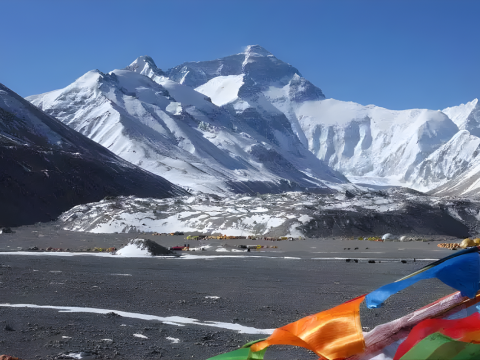
ANNAPURNA CIRCUIT TREK
10 days
from $990 $810
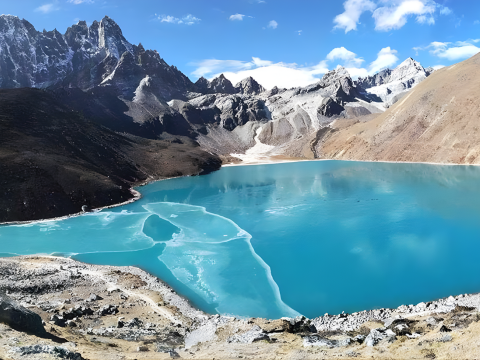
GOKYO LAKE TREK
10 days
from $1230 $1070
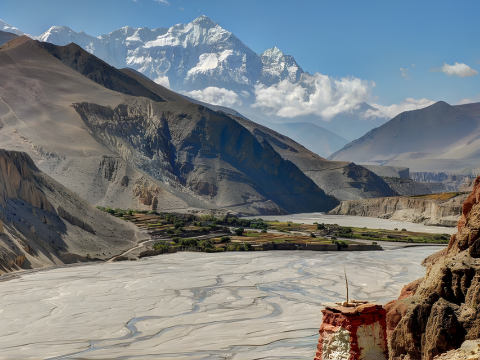
UPPER MUSTANG TREK
10 days
from $1230 $1070
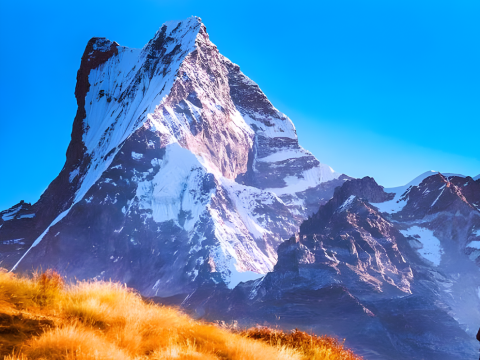
GHOREPANI POON HILL TREK
5 days
from $650 $540
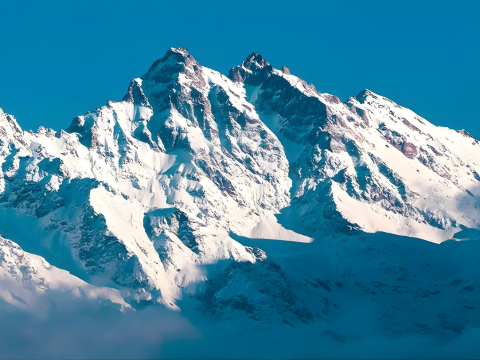
MERA PEAK CLIMBING
18 days
from $2250 $2010