
Langtang Valley Trek
US $590
speaking local trek guide
Guide
Langtang Region Expert Guide
Accommodations
Twin Sharing Mountain Lodges
Foods
Breakfast x8, Lunch x8, Dinner x8
All Permits
Langtang National Park permits & TIMS
All transfers
All needed ground transfers as per the itinerary.
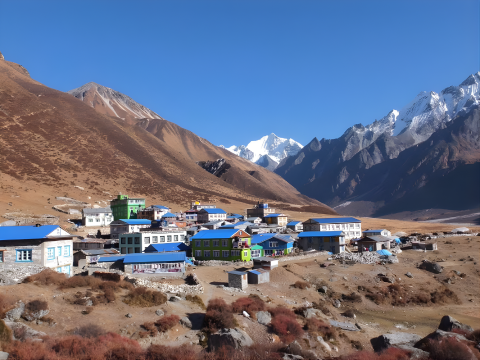
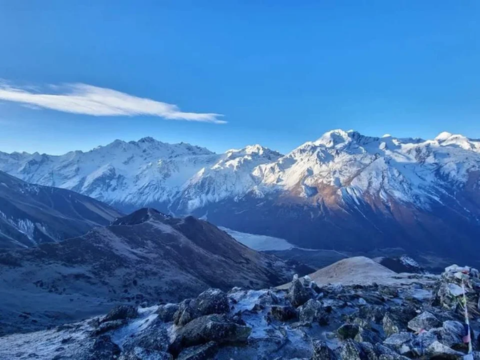
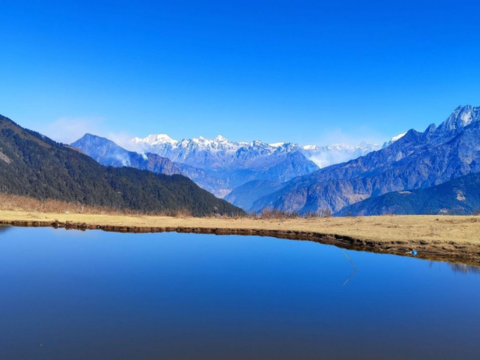
Photos from the Langtang Valley Trek
Key Information
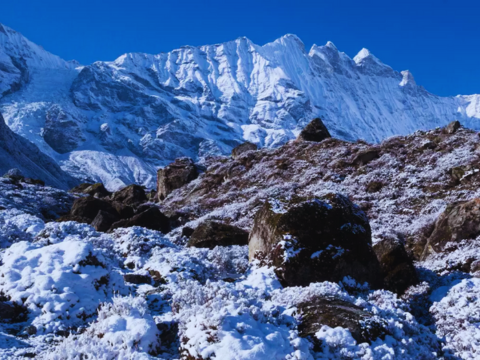
Close-up views of majestic Himalayan giants like Langtang Lirung.
Immerse yourself in the warmth and unique heritage of the Tamang communities nestled along the Langtang trail, experiencing their way of life firsthand.
Trek through rhododendron woodlands (flowering in late April), alpine pastures, and alongside rushing glacial streams, a visual treat at every turn.
Discover the beauty of Nepal on a Langtang trek that balances scenery with manageable difficulty and the convenience of cozy teahouse stays.

ITINERARY
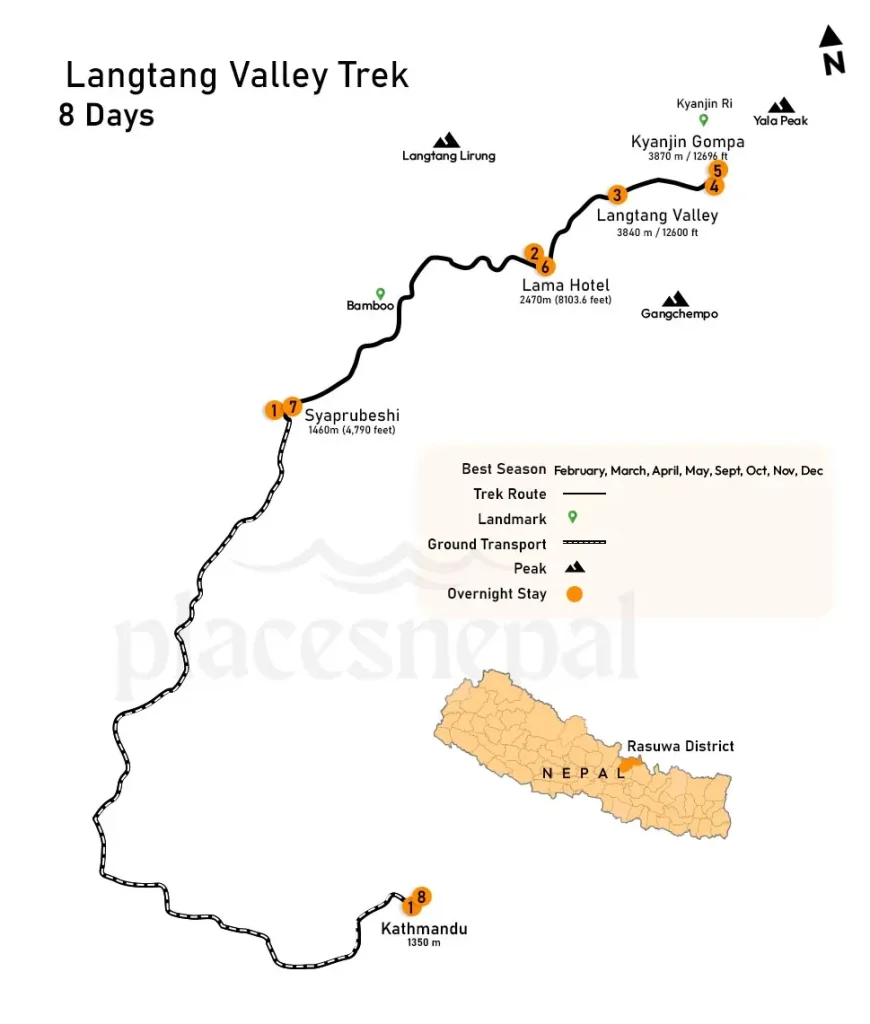
Day 1: Kathmandu → Syabrubesi (1,550m)
Accommodation: Mountain Guest House | Meals: B, L, D
Start your adventure with a scenic drive from Kathmandu, following the Trishuli River. Spot whitewater rafters, terraced fields, and glimpses of Himalayan giants like Manaslu, Ganesh Himal, and the Langtang range. The last stretch to Syabrubesi is a bumpy but beautiful ride, arriving at this charming town that serves as the gateway to the Langtang region.
Highlights: Trishuli River views, Himalayan panoramas, local villages along the way.
Day 2: Syabrubesi → Lama Hotel (2,380m)
Accommodation: Mountain Guest House | Meals: B, L, D
Begin your trek through lush forests, with Langtang Lirung towering in the background. Pass high pastures and the remnants of the old Langtang Village, before reaching Lama Hotel nestled in the woods.
Highlights: Forest trails, Langtang Lirung views, valley scenery.
Day 3: Lama Hotel → Langtang Village (3,430m)
Accommodation: Mountain Guest House | Meals: B, L, D
Ascend gradually through forests to Ghoretable, then continue to the rebuilt Langtang Village. Admire the resilience of the local Tamang community, visit monasteries, and enjoy stunning mountain views, including Gonchompe Peak.
Highlights: Forest trek, Ghoretable, Langtang Village, Tamang culture, monasteries.
Day 4: Langtang Village → Kyanjin Gompa (3,870m)
Accommodation: Mountain Guest House | Meals: B, L, D
A shorter, scenic hike today. Pass colorful chortens, fluttering prayer flags, and yak pastures before arriving at Kyanjin Gompa. Explore the monastery or take a short side hike to Langshisha Kharka for panoramic views.
Highlights: Buddhist chortens, prayer flags, mani stones, yak pastures, mountain vistas.
Day 5: Kyanjin Gompa → Kyanjin Ri (4,773m) → Kyanjin Gompa
Accommodation: Mountain Guest House | Meals: B, L, D
Challenge yourself with a climb to Kyanjin Ri. From the summit, enjoy breathtaking views of over 20 Himalayan peaks, including Langtang Lirung, Dorje Lakpa, and Shishapangma. Return to Kyanjin Gompa for rest.
Highlights: Panoramic mountain views, alpine meadows, high-altitude scenery.
Day 6: Kyanjin Gompa → Lama Hotel (2,380m)
Accommodation: Mountain Guest House | Meals: B, L, D
Descend back through forests and past yak grazing areas. Enjoy fresh perspectives on the mountains and valleys as you return to Lama Hotel.
Highlights: Forest trails, yak pastures, Himalayan views.
Day 7: Lama Hotel → Syabrubesi (1,550m)
Accommodation: Mountain Guest House | Meals: B, L, D
Final trekking day! Follow the Langtang River through forests and small villages like Bamboo and Rimche. A gentle downhill walk brings you back to Syabrubesi.
Highlights: Forest scenery, local village life, river valley views
Day 8: Syabrubesi → Kathmandu (1,350m)
Meals: B, L, D
Drive back to Kathmandu through familiar landscapes, enjoying terraced fields and Himalayan vistas along the Trishuli River. Arrive in the city and transfer to your hotel, concluding your Langtang Valley adventure.
Highlights: Scenic drive, river valley, terraced fields, Himalayan panoramas.
HOW TO GET THERE ?
Accommodation: Mountain Guest House | Meals: B, L, D
Start your adventure with a scenic drive from Kathmandu, following the Trishuli River. Spot whitewater rafters, terraced fields, and glimpses of Himalayan giants like Manaslu, Ganesh Himal, and the Langtang range. The last stretch to Syabrubesi is a bumpy but beautiful ride, arriving at this charming town that serves as the gateway to the Langtang region.
Highlights: Trishuli River views, Himalayan panoramas, local villages along the way.
MAPS AND ELEVATION
FOOD & ACCOMODATION
Day 1: Syabrubesi – Mountain Guesthouse
Days 2–8: Teahouses along the trek
Meals: Breakfast, Lunch, Dinner
Meals on the Langtang Trek:
Enjoy hearty meals every day at the mountain guesthouses. Typical dishes include Nepali favorites like Dal Bhat (rice, lentils, veggies), noodles, and momos (dumplings). Breakfast is simple but filling, and hot/cold drinks are available for purchase. A special farewell dinner is included to celebrate your trek.
Where You’ll Stay:
You’ll sleep in teahouses—basic mountain lodges with twin beds, mattresses, pillows, and blankets. Bathrooms are shared, and some lodges offer electricity or Wi-Fi for a small extra cost. Bringing a sleeping bag is recommended, or you can rent one in Kathmandu for warmth.
Note: Hotels in Kathmandu before or after the trek are not included. You can book these separately during checkout if needed.
DIFFICULTY RATING
The Langtang Valley Trek is considered easy to moderate. The trails are well-marked, the climbs are gentle, and there are plenty of villages with teahouses along the way. The highest overnight stop at Kyanjin Gompa is manageable for most trekkers.
While you don’t need to be a professional hiker, a basic level of fitness will make the multi-day trek more enjoyable. This route is perfect for soaking in the Himalayan scenery at a relaxed pace while also experiencing the local culture in the villages you pass through.
WEATHER
The Langtang Valley offers a different kind of beauty in every season—from blooming rhododendrons in spring to crisp, clear skies in autumn.
Best Seasons:
Spring (March–May):
The valley comes alive with colorful flowers. Days are mild (10–20°C / 50–68°F), while nights at higher altitudes can drop to freezing. Skies are mostly clear, giving amazing Himalayan views.
Summer / Monsoon (June–August):
Heavy rain makes trails slippery and muddy. Humidity is high (15–25°C / 59–77°F), and mountain views can be hidden behind clouds. It’s lush and green, but challenging for trekking.
Autumn (September–November):
The most popular time to trek. Weather is stable, trails are dry, and the skies are clear. Day temperatures range from 12–20°C (54–68°F), with cold nights at higher elevations. Expect busier trails and lodges.
Winter (December–February):
Quiet and peaceful, with snow likely at higher stops like Kyanjin Gompa. Days are chilly (5–12°C / 41–54°F), nights can drop well below freezing. Perfect for those who enjoy solitude and snow-covered landscapes—but warm gear is essential.
Tips for Trekkers:
- Spring & Autumn are the easiest and most scenic seasons.
- Monsoon requires waterproof gear and patience.
- Winter is cold but rewarding for peaceful scenery.
No matter the season, the right gear, preparation, and guidance from experienced teams like Places Nepal Treks make your Langtang adventure safe, comfortable, and unforgettable.
WHAT'S INCLUDED
- 7 nights in cozy mountain teahouses along the Langtang trail
- 8-day guided trek with an experienced local guide
- Transportation between Kathmandu and Syabrubesi by local bus
- Langtang National Park entry permit
- Meals during the trek: 8 breakfasts, 8 lunches, 7 dinners (vegetarian options available)
- Airport pick-up and drop-off in Kathmandu
NOT INCLUDED
- Kathmandu hotel before or after the trek (can be booked separately)
- Travel insurance – mandatory for medical emergencies, cancellations, etc.
- Porters – optional, can be arranged during booking
- Personal expenses – extra drinks, Wi-Fi, laundry, phone calls, bottled water, hot showers, or additional porters
Tips – gratuities for guides and porters are customary but optional
HOW TO GET FIT ?
You don’t need to be a pro athlete to enjoy the Langtang Valley Trek – just a bit of preparation goes a long way. Think of it as getting your body used to a few days of walking with some uphill stretches.
Walk, walk, walk! Start with short strolls and gradually increase your distance. If you can add some hills or stairs, even better – your legs will thank you on the trail.
Legs and balance matter. Simple exercises like squats, lunges, or climbing stairs strengthen your legs. Core exercises, like planks, help with stability on uneven paths.
Practice with your gear. Take a few walks or mini-hikes in your trekking boots so they’re comfy and blister-free by the time you reach Nepal.
Take it slow. Build up gradually, listen to your body, and rest when needed. A few months of light but consistent activity is enough to make your trek comfortable and far more enjoyable.
EQUIPMENT LIST
The Langtang Valley offers a different kind of beauty in every season—from blooming rhododendrons in spring to crisp, clear skies in autumn.
Best Seasons:
Spring (March–May):
The valley comes alive with colorful flowers. Days are mild (10–20°C / 50–68°F), while nights at higher altitudes can drop to freezing. Skies are mostly clear, giving amazing Himalayan views.
Summer / Monsoon (June–August):
Heavy rain makes trails slippery and muddy. Humidity is high (15–25°C / 59–77°F), and mountain views can be hidden behind clouds. It’s lush and green, but challenging for trekking.
Autumn (September–November):
The most popular time to trek. Weather is stable, trails are dry, and the skies are clear. Day temperatures range from 12–20°C (54–68°F), with cold nights at higher elevations. Expect busier trails and lodges.
Winter (December–February):
Quiet and peaceful, with snow likely at higher stops like Kyanjin Gompa. Days are chilly (5–12°C / 41–54°F), nights can drop well below freezing. Perfect for those who enjoy solitude and snow-covered landscapes—but warm gear is essential.
Tips for Trekkers:
- Spring & Autumn are the easiest and most scenic seasons.
- Monsoon requires waterproof gear and patience.
- Winter is cold but rewarding for peaceful scenery.
No matter the season, the right gear, preparation, and guidance from experienced teams like Places Nepal Treks make your Langtang adventure safe, comfortable, and unforgettable.
REVIEWS
TRIP OVERVIEW
The Langtang Valley Trek is your perfect Himalayan getaway—just a few hours from Kathmandu, yet offering stunning mountain views, peaceful forests, and a deep cultural experience. Towering peaks like Langtang Lirung (7,245 m), Dorje Lakpa (6,990 m), and Langtang Ri (6,370 m) dominate the skyline, while rivers, rhododendron forests, and alpine meadows create a scenic playground for trekkers.
This trek suits beginners and seasoned hikers alike. Every day is a mix of moderate trekking, cultural discovery, and moments to soak in the serene beauty of Nepal’s
Why Langtang Valley Trek?
• Breathtaking Himalayan Views: Climb Kyanjin Ri (4,773 m) for panoramic vistas of over 20 peaks, including Langtang Lirung, Dorje Lakpa, Langtang II, and the Ganesh Himal range. Sunrise and sunset from here are unforgettable.
• Authentic Himalayan Culture: Meet Tamang and Sherpa communities, explore stone villages, ancient monasteries, prayer wheels, and colorful mani walls. Langtang Village showcases Tibetan-influenced traditions and warm local hospitality.
• Yak Cheese Delight: At Kyanjin Gompa, sample fresh yak cheese made using age-old techniques—a tasty reward after your trek.
• Forest Trails & Flora: Trek through rhododendron, pine, bamboo, and juniper forests. In spring, the blooming rhododendrons add vibrant colors, and medicinal herbs dot the trail.
• Nature Beyond Mountains: Mountain streams, waterfalls, gorges, and rocky cliffs make the landscapes dynamic and beautiful.
Permits & Registration
To trek Langtang:
• Langtang National Park Entry Permit – supports conservation and access.
• TIMS Card – tracks trekkers for safety.
All permits are arranged by Places Nepal Treks for a smooth start.
Food & Accommodation
Teahouse Stays
You’ll stay in local lodges (teahouses) in twin-sharing rooms with basic bedding. Shared bathrooms are common at higher altitudes, while lower stops may offer attached bathrooms. Most teahouses have a dining hall with a fire stove, and hot showers or Wi-Fi are available for a small fee.
Meals on the Trail
All meals are included during the trek: breakfast, lunch, and dinner. Expect nourishing local dishes like:
• Dal Bhat: Rice with lentil soup and vegetables—fuel for trekking.
• Momos & Thukpa: Traditional Tibetan dumplings and noodle soup.
• Pasta & Noodles: Quick energy for the trail.
• Breakfast Options: Porridge, pancakes, eggs, Tibetan bread, tea, coffee.
Tips: Stay hydrated with 3–4 L of water daily, use purification tablets or boil water, and carry electrolytes.
Trek Route & Highlights
• Start: Kathmandu → Syabrubesi (1,460 m), gateway to Langtang National Park.
• Trail: Follows Langtang Khola through rhododendron forests, bamboo, and pine, leading to alpine meadows and glaciers.
• Villages: Lama Hotel and Langtang Village (3,430 m) offer cultural insights into Tamang life. Langtang Village, rebuilt after the 2015 earthquake, symbolizes resilience.
• Kyanjin Gompa (3,870 m): Explore the monastery, try yak cheese, and acclimatize for optional hikes to Kyanjin Ri or Tserko Ri (~5,000 m).
• Return: Trek back down, retracing the valley’s beauty before driving to Kathmandu.
Best Time to Trek
• Spring (Mar–May): Blooming rhododendrons, fresh greenery, mild weather.
• Autumn (Sep–Nov): Clear skies, crisp air, perfect for mountain photography.
• Off-Season Options:
o Winter (Dec–Feb): Snowy trails, solitude, chilly but clear days.
o Monsoon (Jun–Aug): Lush greenery, wet trails, fewer trekkers—requires waterproof gear.
Trek Difficulty
• Moderate & Beginner-Friendly: Daily walks of 6–7 hours on well-marked trails.
• Altitude: Maximum ~4,773 m at Kyanjin Ri—go slow, stay hydrated, and watch for altitude sickness.
• Fitness: Regular walking, stair climbing, or light cardio before the trek helps.
Porters & Support
• Why Hire a Porter: Carry up to 20 kg, allowing you to hike light with a daypack.
• Ethical Practice: Supports local mountain communities.
• Tipping (Optional): Guides $5–10/day, porters $3–7/day.
Safety & Security
• Nepal is safe and welcoming, with friendly locals and low crime rates.
• On Trek: Experienced guides, daily health checks, and emergency support ensure peace of mind.
• Solo & Female Trekkers: Safe and supported; female guides can be arranged on request.
• Tips: Listen to your guide, pace yourself, stay hydrated, and respect local culture.
Getting to Syabrubesi
• Private Jeep: Comfortable, flexible, picks you up from your Kathmandu hotel.
• Local Bus: Budget-friendly, slower, more authentic cultural experience.
• Return: Same route back; transfers arranged by Places Nepal Treks.
This 8-day Langtang Valley Trek blends breathtaking mountains, authentic Himalayan culture, and serene nature for a truly memorable journey—without the crowds of Everest or Annapurna.
October 2025
NOVEMBER 2025
DECEMBER 2025
Know Before Booking
Langtang Valley Trek
What to eat on the langtang trek ?
On the Langtang Valley Trek, eat hearty meals like dal bhat, momos, fried rice, soups, and Tibetan bread, with vegetarian and vegan-friendly options widely available at local teahouses.Foods on the Langtang Valley Trek are fresh, home-cooked at teahouses.
What to Expect in a Teahouse on the Langtang Trek
On the Langtang Valley Trek, eat hearty meals like dal bhat, momos, fried rice, soups, and Tibetan bread, with vegetarian and vegan-friendly options widely available at local teahouses.Foods on the Langtang Valley Trek are fresh, home-cooked at teahouses.
Best Time to Trek Langtang Valley
On the Langtang Valley Trek, eat hearty meals like dal bhat, momos, fried rice, soups, and Tibetan bread, with vegetarian and vegan-friendly options widely available at local teahouses.Foods on the Langtang Valley Trek are fresh, home-cooked at teahouses.
Typical Day on the Langtang Trek
On the Langtang Valley Trek, eat hearty meals like dal bhat, momos, fried rice, soups, and Tibetan bread, with vegetarian and vegan-friendly options widely available at local teahouses.Foods on the Langtang Valley Trek are fresh, home-cooked at teahouses.
Environmental Responsibility on the Langtang Trek
On the Langtang Valley Trek, eat hearty meals like dal bhat, momos, fried rice, soups, and Tibetan bread, with vegetarian and vegan-friendly options widely available at local teahouses.Foods on the Langtang Valley Trek are fresh, home-cooked at teahouses.
Langtang Trek Costs: Daily Expenses, Budget, and Currency
On the Langtang Valley Trek, eat hearty meals like dal bhat, momos, fried rice, soups, and Tibetan bread, with vegetarian and vegan-friendly options widely available at local teahouses.Foods on the Langtang Valley Trek are fresh, home-cooked at teahouses.
ANNAPURNA CIRCUIT TREK
10 days
from $990 $790
GOKYO LAKE TREK
10 days
from $1230 $1050
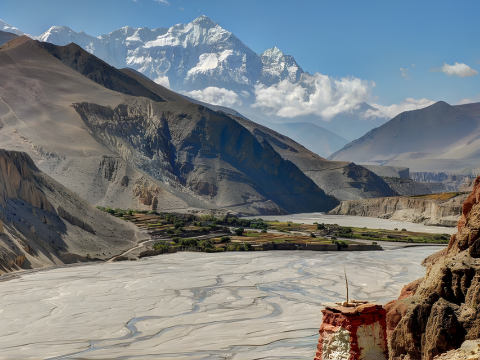
UPPER MUSTANG TREK
10 days
from $1230 $1050
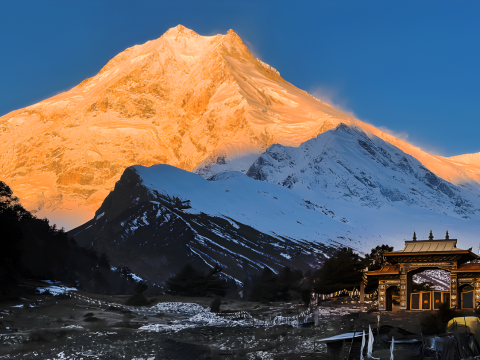
MANASLU CIRCUIT TREK
12 days
from $1250 $980

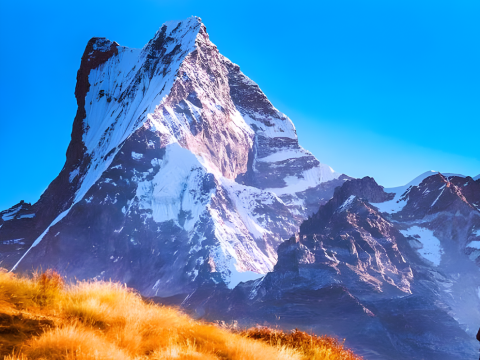
MARDI HIMAL BASE CAMP TREK
8 days
from $850 $690
GHOREPANI POON HILL TREK
5 days
from $650 $520
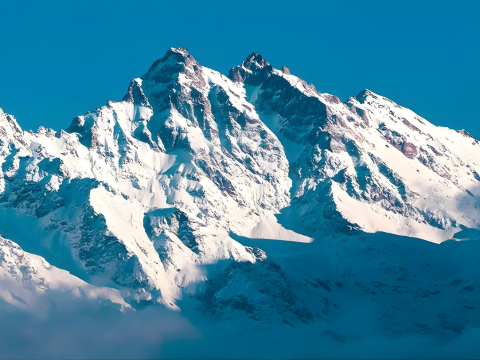
MERA PEAK CLIMBING
18 days
from $2250 $1990